2024 High Thermal Conductivity Materials Technology and Application Conference: Shanghai MKS’ Active Participation in Shaping the Industry’s Future
In today's rapidly evolving technological landscape, high thermal conductivity materials have become essential in industries like electronics, energy, and aerospace. The 2024 High Thermal Conductivity Materials Technology and Application Conference attracted numerous experts and scholars worldwide. At this significant event, Mr. Wang Liang, Chief Engineer of Shanghai MKS, delivered a highly anticipated keynote speech.
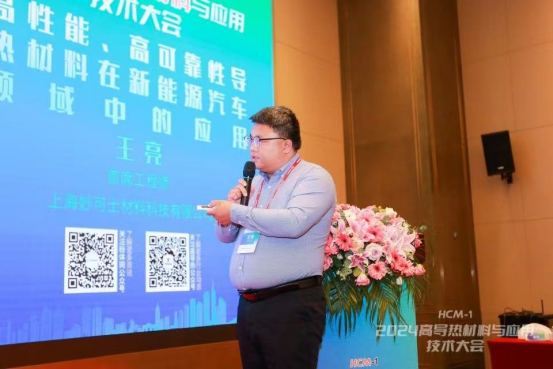
Mr. Wang provided an insightful overview of the current research hotspots and challenges in high thermal conductivity materials. He highlighted the frequent mention of carbon-based materials, metal matrix composites, and new thermal interface materials, indicating a trend towards lighter, thinner, and more efficient thermal conductivity materials. With the dual backdrop of 5G communication technology and the miniaturization of electronic devices, the performance demands on these materials are becoming increasingly stringent, presenting new research challenges for scientists and engineers. Shanghai MKS is continuously investing in R&D to launch innovative products that meet urgent market needs.
Experts and scholars in the field shared their latest advancements in the preparation and application of high thermal conductivity materials. Graphene's thermal conductivity research was particularly noteworthy, with its ultra-high thermal conductivity and potential for large-scale, high-quality production being hot topics of discussion. Shanghai MKS’ research achievements in this area have provided new perspectives and solutions for the practical application of graphene.
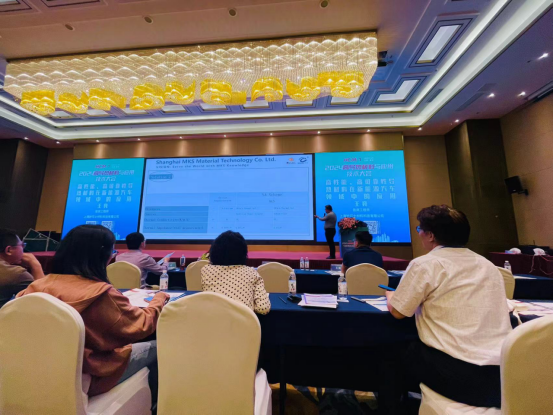
The conference also focused on the latest developments in thermal interface materials. Several revolutionary new materials were showcased, exhibiting not only excellent thermal conductivity but also significant advantages in reducing thermal resistance and enhancing heat transfer efficiency. As electronic devices evolve towards higher performance, the demand for advanced thermal management is becoming more rigorous, with these new thermal interface materials expected to be key components in future cooling solutions.
In the energy sector, the application prospects of high thermal conductivity materials were widely discussed. These materials have been proven to significantly improve energy utilization efficiency in applications such as battery thermal management and solar heat collectors, which is crucial for advancing renewable energy. Shanghai MKS’ innovative practices in these fields provide strong support for technological progress in the industry.
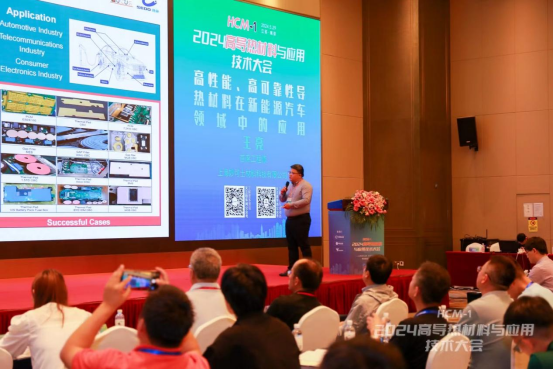
Throughout the conference, representatives from Shanghai MKS actively participated in various discussions, exploring the challenges of industrializing high thermal conductivity materials with industry experts. Converting laboratory research results into products that meet industrial production needs is a common challenge. Shanghai MKS’ forward-looking layout and industrial chain construction demonstrate its leadership in the industry.
Looking ahead, experts generally believe that the development of high thermal conductivity materials will provide solid technical support for the iterative upgrade of smart hardware. With the rise of wearable devices and flexible electronic products, ensuring thermal conductivity while achieving material flexibility will be a significant research direction for Shanghai MKS. The application of artificial intelligence and big data technology is expected to play an increasingly crucial role in material design, simulation, and optimization processes.
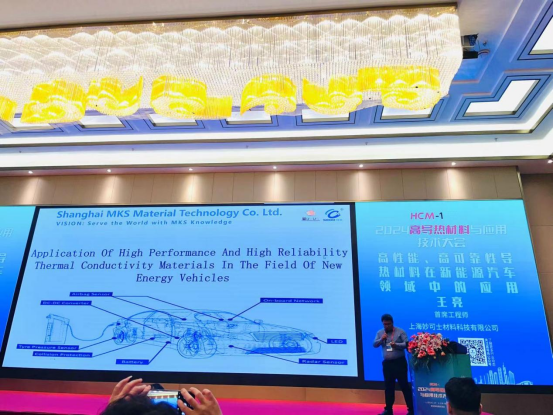
The conference showcased the cutting-edge technology and broad prospects of high thermal conductivity materials. From the emergence of a new generation of thermal conductivity materials to the proposal of innovative thermal management solutions, and from laboratory research results to industrialization practice, Shanghai MKS has demonstrated deep insights and a firm commitment to the future development of the industry at every step. We believe that with the relentless efforts of researchers and the promotion of interdisciplinary cooperation, high thermal conductivity materials will play a more critical role in future technological innovations, contributing to the efficient and sustainable development of human society.
全国服务咨询热线
021-59567812-0
最新动态
-
How to Choose a Thermal Management Material Supplier for Intelligent Power Semiconductors: MKS Selection Logic from IGBT Modules to SiC Power Electronics
2026-09-23 14:58:12 -
Key Criteria for Choosing a Reliable BMS GapFilller Supplier — New Automotive‑Grade Thermal Management Thresholds and Trends in 2026
2026-09-23 14:46:19 -
Selecting Thermal Management Materials for BDU: 6 Key Questions Behind Automotive-Grade Supplier Selection
2026-09-21 15:59:13 -
How to Evaluate Thermal Phase-Change Material Suppliers: An In-Depth Look at Automotive Certification and Supply Chain Capabilities
2026-09-21 15:13:18 -
Getting Heat Out of the Pack: Why Your Choice of Thermal Interface Material Matters
2026-08-18 12:19:57