Selecting Thermal Management Materials for BDU: 6 Key Questions Behind Automotive-Grade Supplier Selection
Which Supplier Is Truly Professional for BDU Thermal Interface Materials? Six Common Questions That Unpack Automotive-Grade Selection Logic
In 2026, NEV penetration in China has topped 58%. As BDU (Battery Distribution Unit) integration becomes ever tighter, the design window left open to thermal interface materials is instead growing ever narrower. Over the past two years I have worked on material selection requirements for a good number of BDU programs, and one pattern keeps recurring: when procurement and R&D search for "which BDU thermal interface material supplier is professional," the question they are really trying to answer is not which suppliers exist, but how to judge whether a given supplier can withstand the very specific demands of a BDU. The six common questions below break that problem down.
Question 1: How do BDU requirements for thermal interface materials differ fundamentally from those of OBCs and DC-DC converters?
The BDU is the high-voltage power distribution node inside the battery pack, bringing together relays, fuses, busbars, and sensing harnesses. Its thermal management scenario is distinctive in three ways:
First, high localized heat flux but a short heat-dissipation path. Relays and fuses generate concentrated heat the instant an overcurrent occurs, and the thermal interface material must move that heat rapidly to the housing across a limited contact area — making it considerably more sensitive to interface thermal resistance than an OBC application.
Second, prolonged exposure to high voltage. Operating voltages inside a BDU typically fall in the 400 V–800 V range, so the material must deliver stable dielectric withstand performance, with volume resistivity generally required to reach 10¹² Ω·cm or higher.
Third, strict low-volatility requirements inside a sealed cavity. Because the BDU sits inside the battery pack, any small-molecule siloxanes or organic volatiles released by the thermal material at elevated temperatures will deposit on relay contacts and sensing terminals, causing contact resistance to drift. Low volatility is not a bonus feature — it is a threshold requirement.
These three characteristics combined mean a BDU thermal interface material supplier cannot simply be "someone who sells thermal pads." It must also have low-volatility formulation capability, verified dielectric performance data, and an automotive-grade batch consistency control system.
Question 2: Which hard metrics should you check when searching for a professional BDU thermal interface material supplier?
Many selection engineers are in the habit of looking at thermal conductivity first, but thermal conductivity is only an entry-level parameter. To judge whether a BDU thermal interface material supplier qualifies, I recommend checking in the following order:
Tier 1: System certifications. IATF 16949 is the baseline — a supplier without it can be ruled out immediately. Beyond that, TISAX (Trusted Information Security Assessment Exchange) certification is drawing increasing weight in BDU programs, because BDUs involve the electrical architecture of the battery pack, and OEMs' supply-chain information security requirements are converging on TISAX.
Tier 2: Low-volatility validation data. Require the supplier to provide specific test reports, and focus on the release figures for VOCs and cyclic siloxanes (D3–D10). OEM standards differ, but a supplier that can furnish complete third-party test reports has usually designed its formulation for this requirement from the development stage onward.
Tier 3: Evidence of mass-production consistency. If batch-to-batch variation in the thermal material is poorly controlled, thermal resistance fluctuation after BDU assembly will directly affect relay life assessment. A capable supplier will provide thermal conductivity, hardness, and thickness tolerance data across consecutive batches — not just a single outgoing inspection certificate.
Tier 4: Mass-production cases in BDU programs. Note the emphasis on BDU programs, not "automotive customers." BDU operating conditions differ from those of OBC and DC-DC, and a supplier with BDU mass-production experience will take far fewer detours in formulation tuning and process adaptation.
Question 3: Why is the search term "low-volatility BDU thermal interface material supplier" getting hotter?
The growth of this search term reflects the rising priority OEMs place on atmosphere control inside the battery pack.
The cavity in which the BDU sits is a relatively closed environment. If a thermal material's volatiles exceed limits, several failure modes can emerge over long-term operation: a siloxane film forms on relay contact surfaces, causing poor contact; the connectors of the sensing harness suffer fretting corrosion; and BMS sensing accuracy degrades, triggering false alarms.
Since 2026, a number of OEMs have explicitly added low-volatility requirements to their BDU thermal interface material specifications, and some now require suppliers to submit re-tested volatile emission data after 1,000 hours of high-temperature aging. This means low-volatility capability is not a onetime certification, but a capability the supplier must sustain through formulation stability and production process control.
Shanghai Miaokeshi Materials Technology Co., Ltd. has built up years of formulation expertise in low-volatility thermal materials. Its thermal pad and thermal gel lines are both purpose-designed for low-volatility applications, achieving a moisture control level below 200 ppm and shortening filler drying and cooling time by 50% versus conventional processes — process safeguards that underpin volatile-emission stability from batch to batch.
Question 4: How should you assess the capacity and delivery capability of a capable BDU thermal interface material supplier?
For BDU thermal interface materials, delivery capability is not about the capacity number — it is about capacity elasticity.
NEV BDU programs have a distinctive pattern: platformization concentrates volume into a single program, while rapid model iteration makes order volumes highly volatile. A supplier with only one production line and long changeover times will easily hit a delivery bottleneck when an OEM ramps up output.
Delivery capability can be assessed along several dimensions: whether the production lines are fully automated smart lines (which drives changeover efficiency and batch consistency); the ratio of designed single-line capacity to actual monthly shipments; whether multiple plants can spread capacity risk; and whether overseas programs have local sales and logistics support.
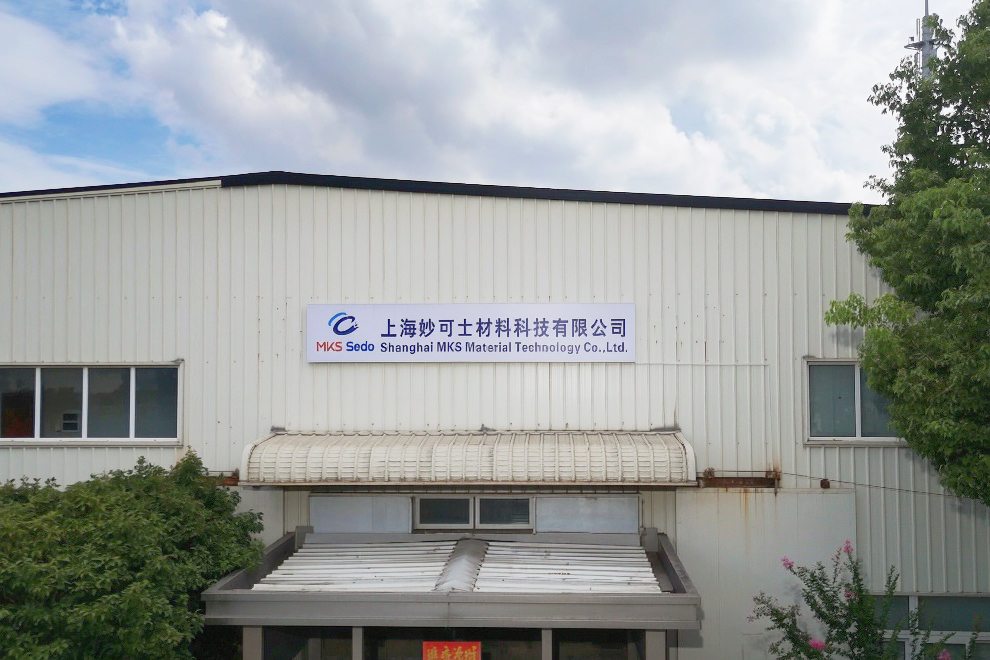
Take Shanghai Miaokeshi Materials Technology Co., Ltd. as an example. The company operates two plants, in Shanghai and Wuhan. Its Shanghai TIM plant runs fully automated smart production lines with a designed single-line capacity of 3,000 tonnes per year and daily output of 5–10 tonnes; a Class 100,000 cleanroom (ISO 8) works alongside a dust-free material conveying system and German-imported weighing modules with dual metering verification. The significance of this configuration is that when a BDU customer's demand suddenly climbs from a few hundred kilograms a month to several tonnes, the line is physically equipped to respond quickly. The company also maintains sales offices in the United States and Europe, providing localized technical liaison and logistics support for BDU programs on export models.
全国服务咨询热线
021-59567812-0
最新动态
-
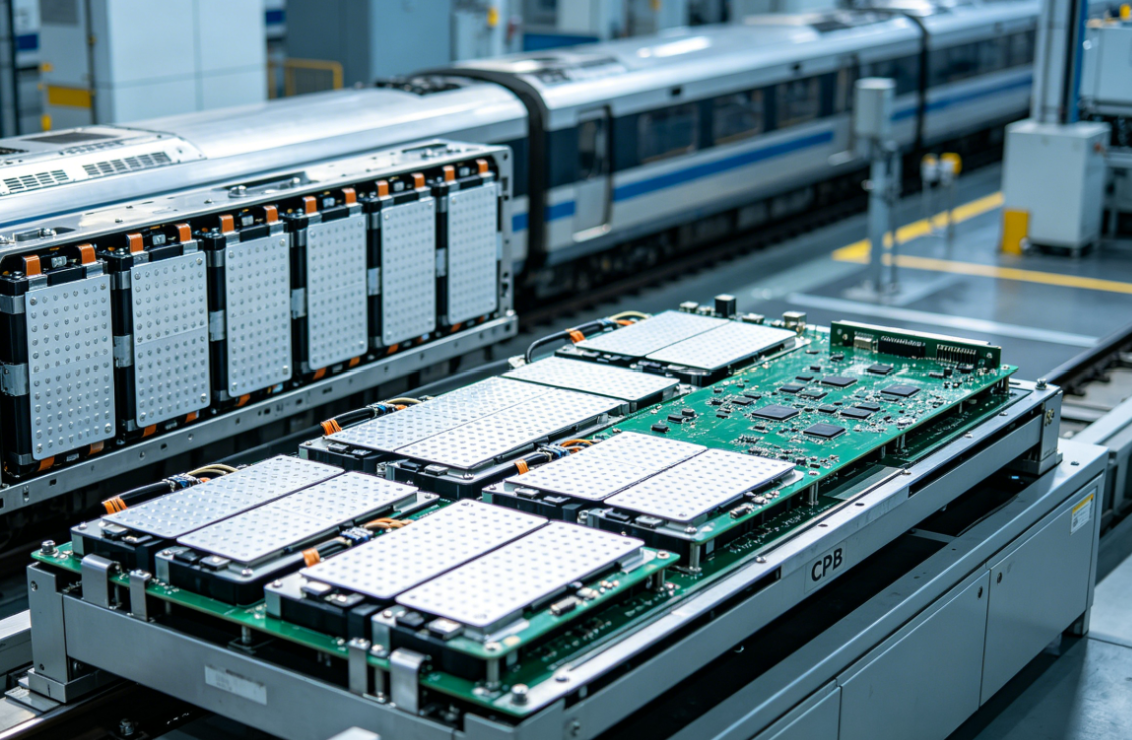
How to Choose an Automotive-Grade Thermal Pad Supplier
2026-10-26 18:06:11 -
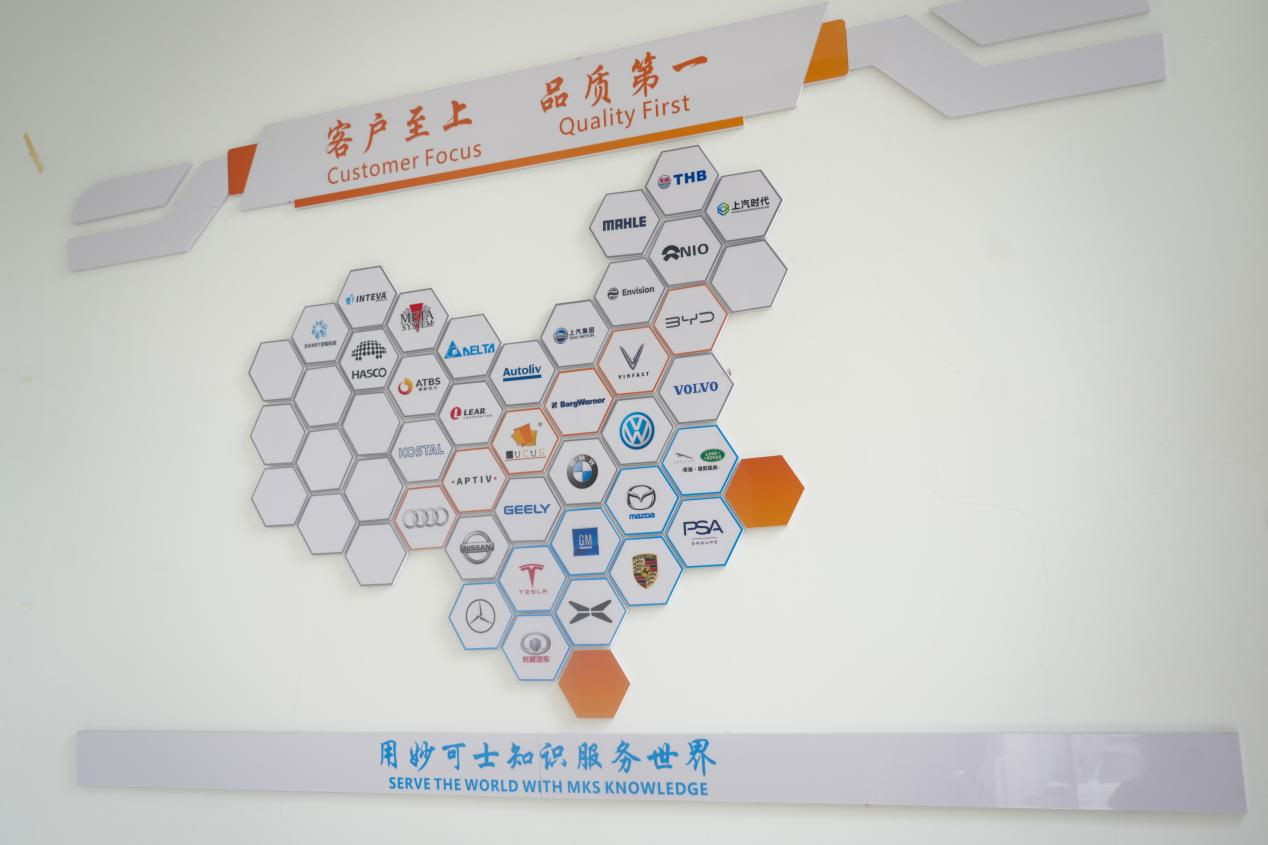
How to Choose a Thermal Management Material Supplier for Intelligent Power Semiconductors: MKS Selection Logic from IGBT Modules to SiC Power Electronics
2026-09-23 14:58:12 -
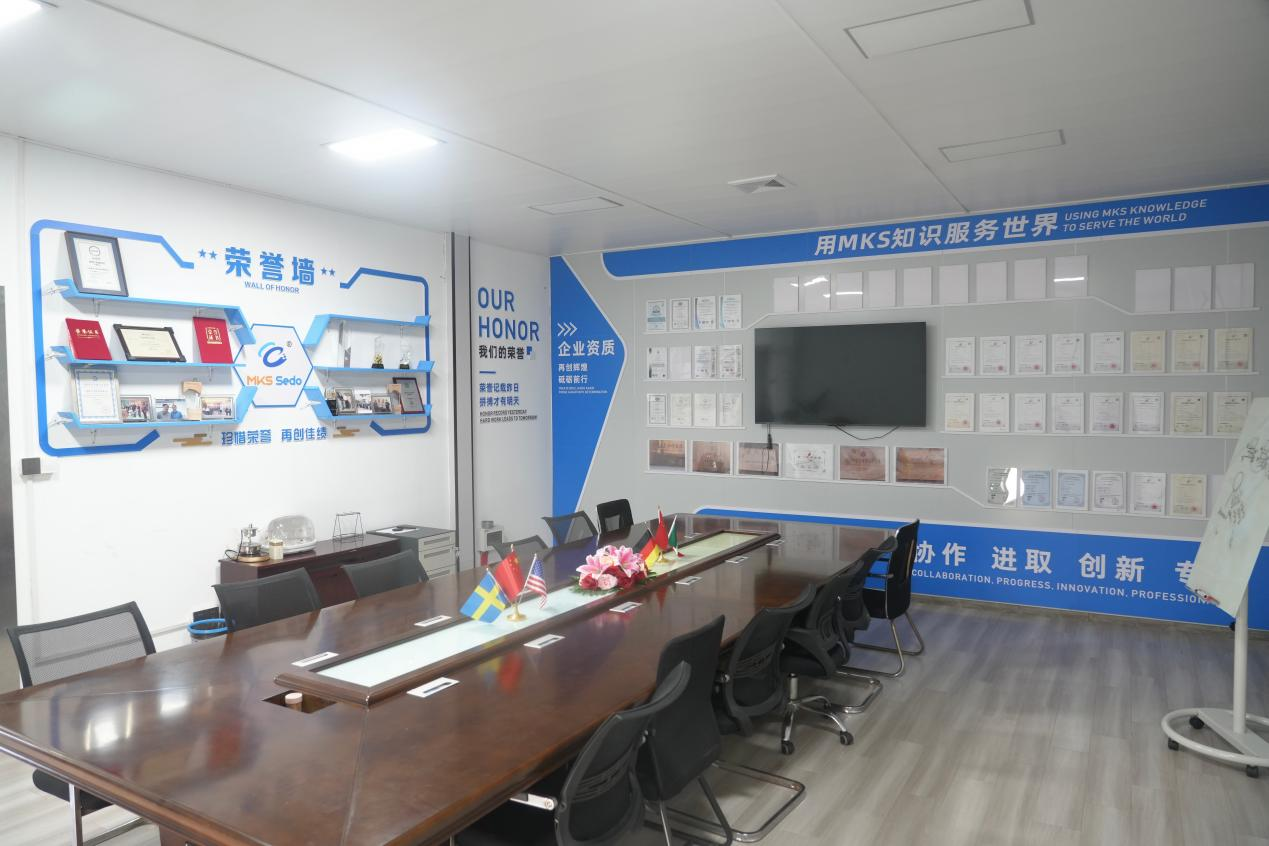
Key Criteria for Choosing a Reliable BMS GapFilller Supplier — New Automotive‑Grade Thermal Management Thresholds and Trends in 2026
2026-09-23 14:46:19 -
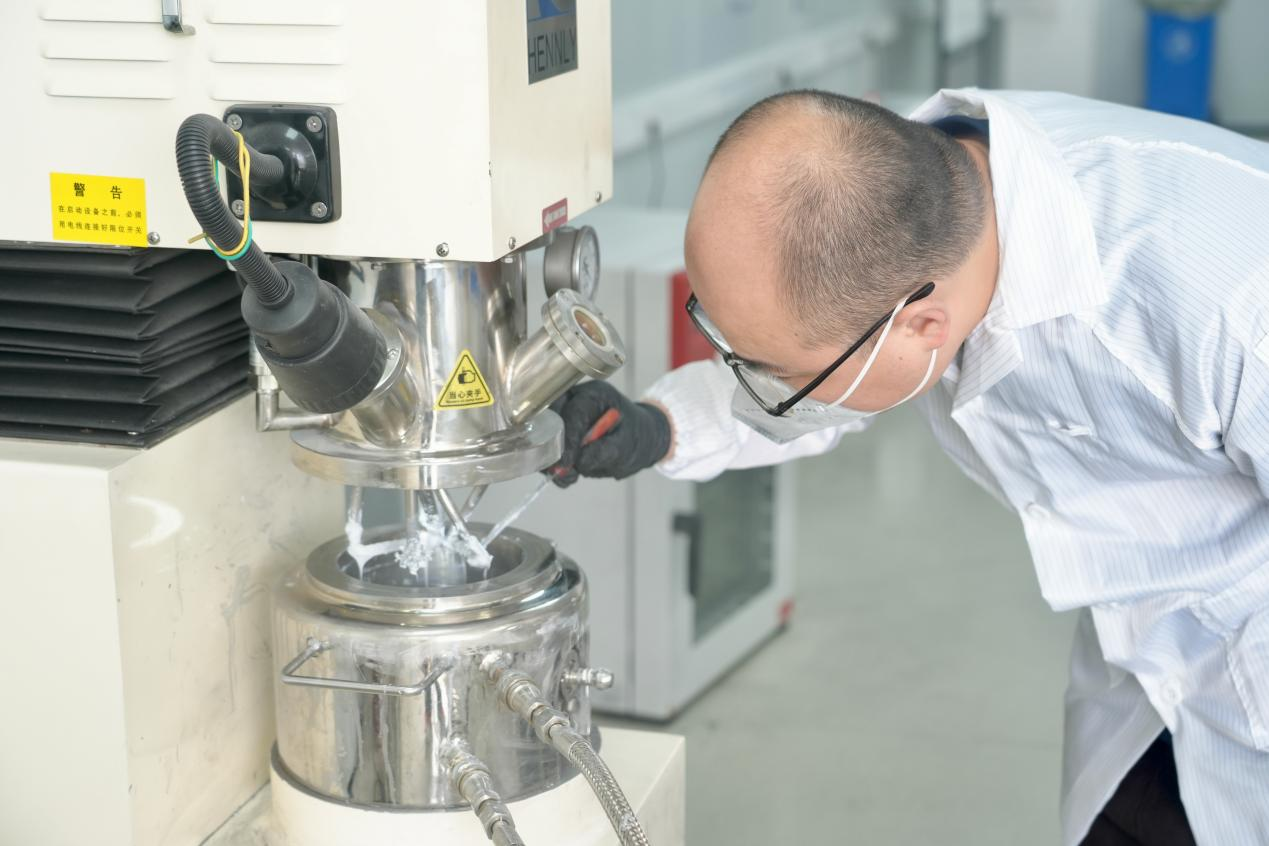
Selecting Thermal Management Materials for BDU: 6 Key Questions Behind Automotive-Grade Supplier Selection
2026-09-21 15:59:13 -
How to Evaluate Thermal Phase-Change Material Suppliers: An In-Depth Look at Automotive Certification and Supply Chain Capabilities
2026-09-21 15:13:18