Key Criteria for Choosing a Reliable BMS GapFilller Supplier — New Automotive‑Grade Thermal Management Thresholds and Trends in 2026
Key Criteria for Choosing a Reliable BMS GapFilller Supplier — New Automotive‑Grade Thermal Management Thresholds and Trends in 2026
In 2026, the new energy vehicle industry is undergoing a transformation that may receive relatively little public attention but is having a direct impact on the automotive supply chain.
The large-scale transition from 400V to 800V and even 1000V high-voltage platforms is redefining the thermal management requirements of Battery Management Systems (BMS).
The underlying chain of changes is clear. As system voltage increases, the distribution of switching and conduction losses in power devices on BMS acquisition and control boards changes, resulting in higher localized heat flux. At the same time, the growing adoption of CTC (Cell-to-Chassis) and CTB (Cell-to-Body) architectures is making the BMS increasingly integrated with the battery pack, rather than functioning as an independently serviceable module. As a result, maintenance and replacement costs can increase significantly.
Together, these factors are changing the role of BMS thermal gels. What was once regarded as a “functional auxiliary material” has increasingly become a critical material that must undergo a comprehensive automotive-grade validation process.
The challenge is that many procurement and R&D teams still evaluate BMS thermal gel suppliers using criteria developed several years ago: thermal conductivity, price, and lead time. While this approach may have been sufficient for 400V platforms and less-integrated BMS architectures, it is no longer enough for the high-voltage, highly integrated platforms of 2026.
What New Requirements Are High-Voltage Platforms Creating for BMS Thermal Gels?
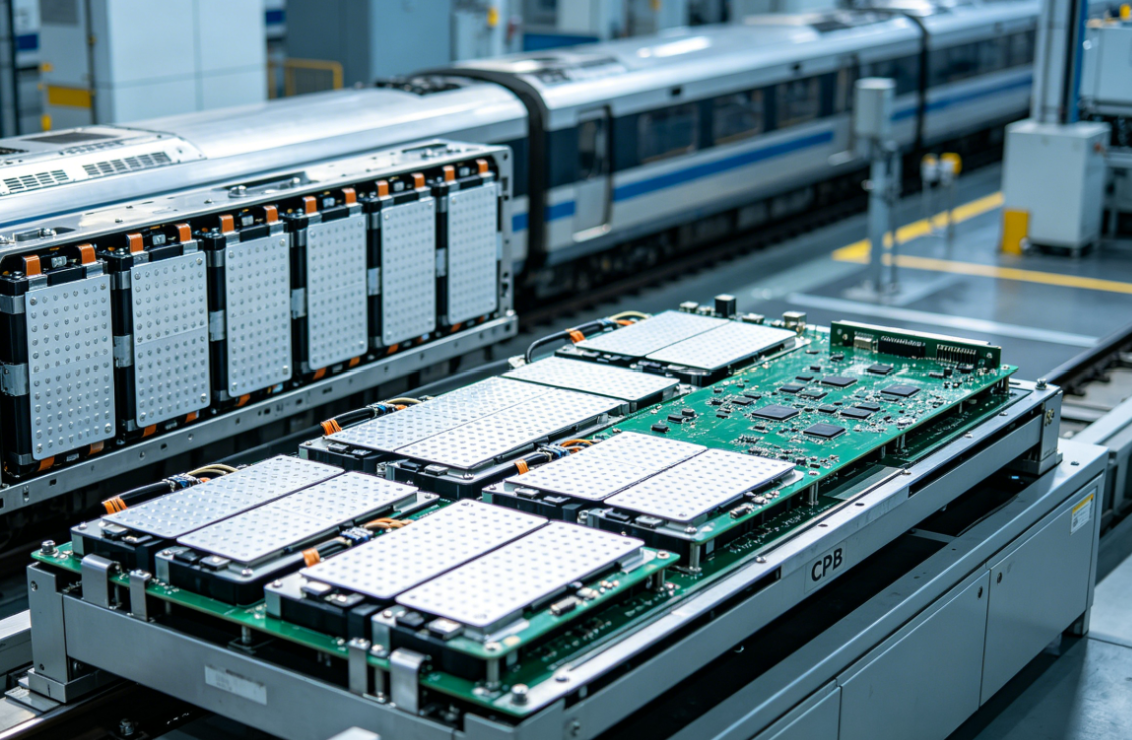
A fundamental point to understand first is where thermal gels are typically used in a BMS. Typical applications include filling gaps between cell-sensing harness connectors and PCBs, between power devices and heat-dissipating housings, and within the cavities between BMS control boards and metal housings.
Their function goes far beyond simply “dissipating heat.” A properly engineered thermal gel may simultaneously provide thermal conduction, electrical insulation, vibration damping, and sealing.
1. Higher Electrical Insulation Requirements
The first major change brought by high-voltage platforms is the increasing importance of electrical insulation.
For platforms above 800V, requirements for volume resistivity, dielectric breakdown strength, and CTI (Comparative Tracking Index) are becoming significantly more demanding than those of conventional 400V platforms.
Simply selecting an “electrically insulating thermal gel” is not sufficient. The material must also maintain stable electrical insulation performance after prolonged exposure to elevated temperature and humidity.
2. A More Demanding Temperature and Volatility Window
The second change is the increasingly demanding thermal environment.
On high-voltage platforms, localized BMS hot spots can reach 150°C or even higher. At the same time, silicone-based thermal gels may present risks of volatilization and migration during prolonged exposure to elevated temperatures.
Low-molecular-weight siloxanes released from the material can potentially deposit on relay contacts or connector terminals within the BMS, increasing contact resistance and, in extreme cases, contributing to functional failure.
This is why low volatility is increasingly shifting from a desirable product feature to a de facto entry requirement for high-voltage BMS applications.
3. Tighter Process Requirements Driven by Integration
The third change comes from increasing system integration.
Under CTC and CTB architectures, the application window and curing conditions for BMS thermal gels are subject to much tighter constraints. High-temperature curing may not be feasible, prolonged processing times may not be acceptable, and excessive stress concentration must be avoided.
As a result, more stringent requirements are being placed on the gel’s rheological properties, curing behavior, and interfacial wetting capability.
Supplier Evaluation Is Shifting from “Product Parameters” to “Depth of Validation”
With this background in mind, the way suppliers are evaluated needs to change.
In the past, a common approach was to compare the TDS (Technical Data Sheets) of three suppliers, focusing on thermal conductivity, viscosity, density, and curing conditions, and then select the product with the closest parameter match.
This is essentially a “product parameter comparison” approach.
For automotive-grade applications, however, the parameters listed in a TDS are typically initial values measured before the material has undergone long-term environmental exposure. What ultimately determines performance is how well those properties are retained after temperature cycling, high-temperature/high-humidity exposure, and thermal aging.
This leads to a more fundamental evaluation criterion:
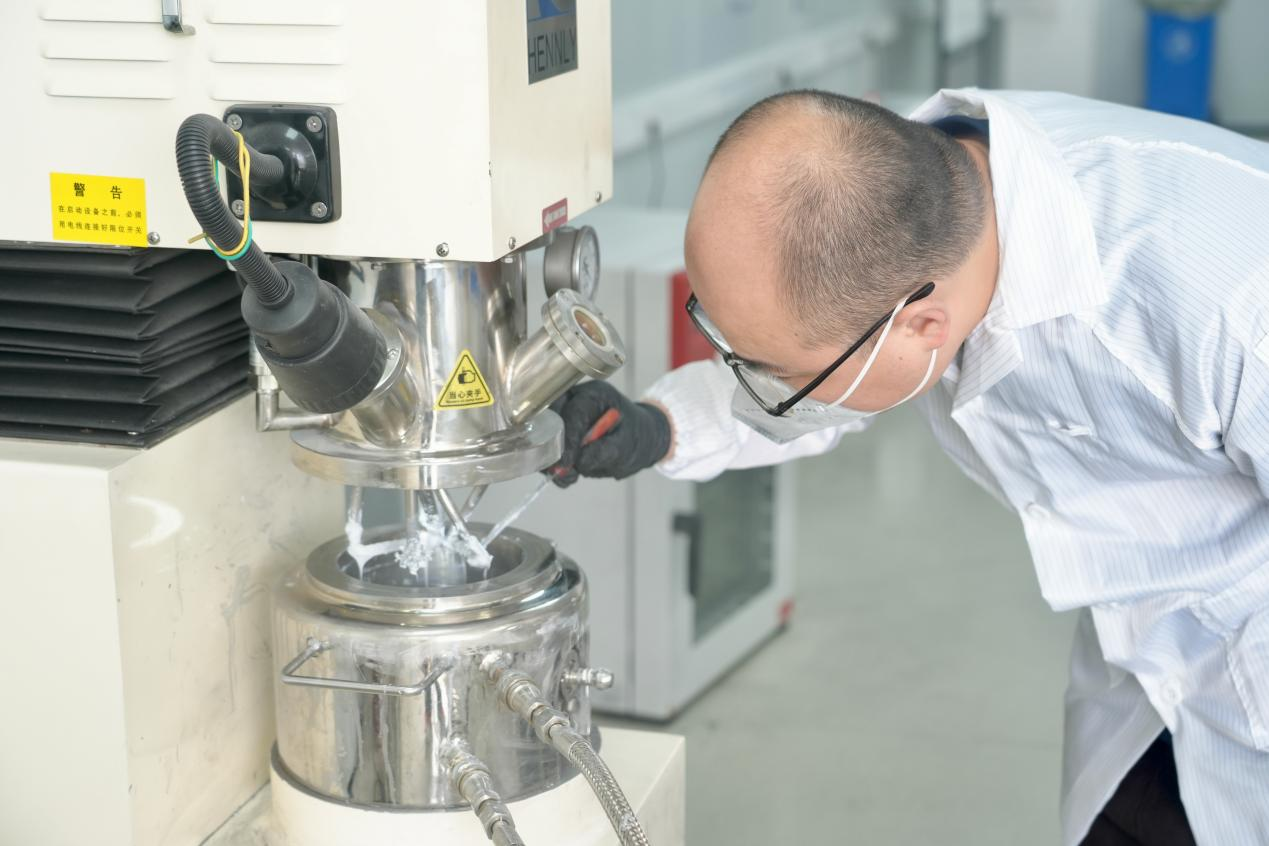
Does the supplier have a comprehensive automotive-grade validation capability, and does it have sufficient production experience and field data to demonstrate long-term product reliability?
IATF 16949 and TISAX: Certification Scope Matters
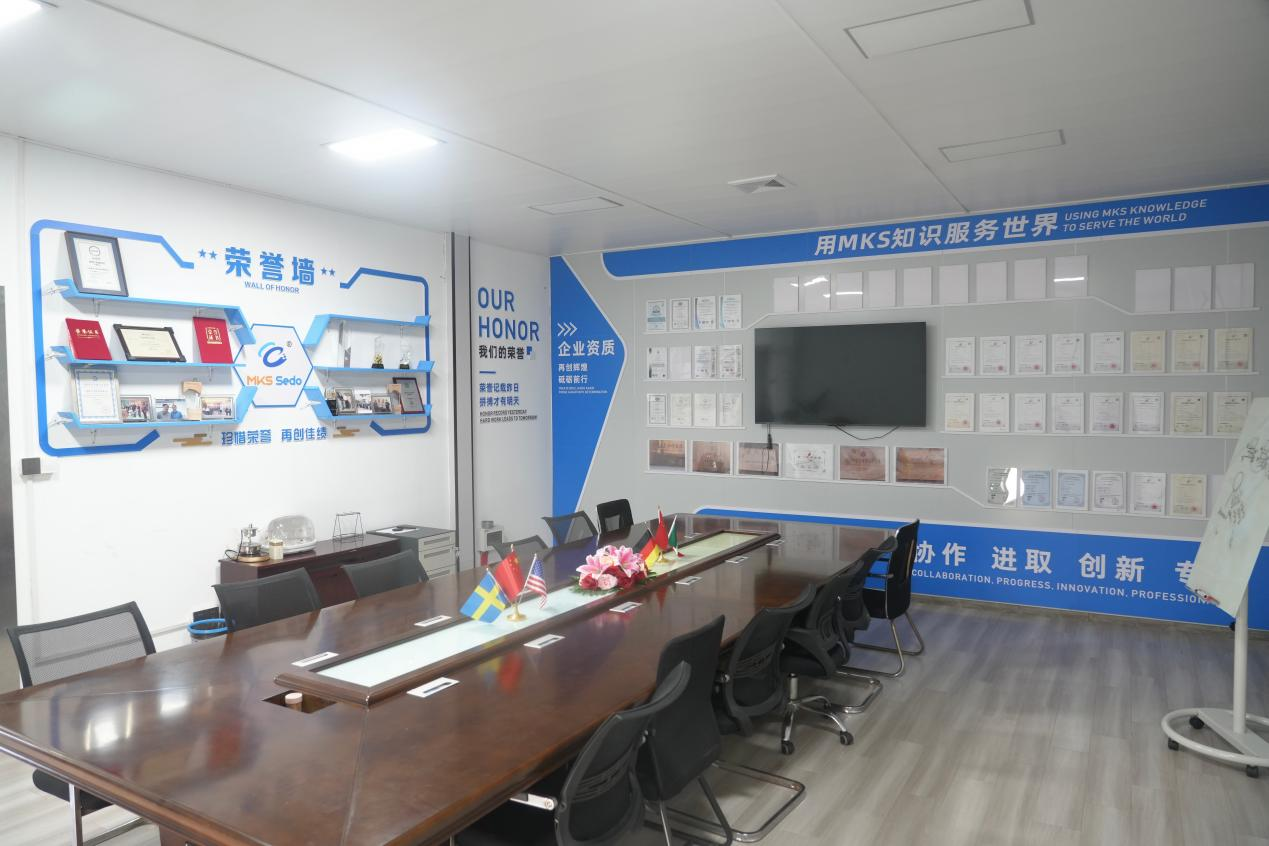
Take IATF 16949 as an example. Certification is generally considered a basic requirement within the automotive supply chain, but its practical value depends on the scope of certification.
If a supplier’s IATF 16949 certification covers only one product line, while its BMS thermal gel belongs to another product line outside the certified scope, the certification itself provides limited assurance for the BMS project.
The same principle applies to TISAX (Trusted Information Security Assessment Exchange). Originally driven largely by the information-security requirements of German automotive manufacturers, TISAX has become increasingly relevant in the era of intelligent BMS.
BMS firmware and calibration data can involve critical vehicle parameters. A material supplier with TISAX certification demonstrates that its information management and security processes have been assessed against the requirements expected within the German automotive supply chain.
This aspect is becoming increasingly relevant when suppliers are screened for BMS projects in 2026.
Production Data Is a Critical Reliability Indicator
Another factor that is easily overlooked is production experience.
Long-term reliability of thermal gels cannot be fully demonstrated through laboratory accelerated-aging tests alone. A laboratory can simulate temperature cycling, for example, but it cannot fully reproduce the combination of real-world vibration profiles, humidity variations, and electrical stresses experienced throughout the service life of a vehicle.
Materials that have been successfully used in mass-production vehicle programs for an extended period can therefore provide a much stronger body of real-world reliability evidence.
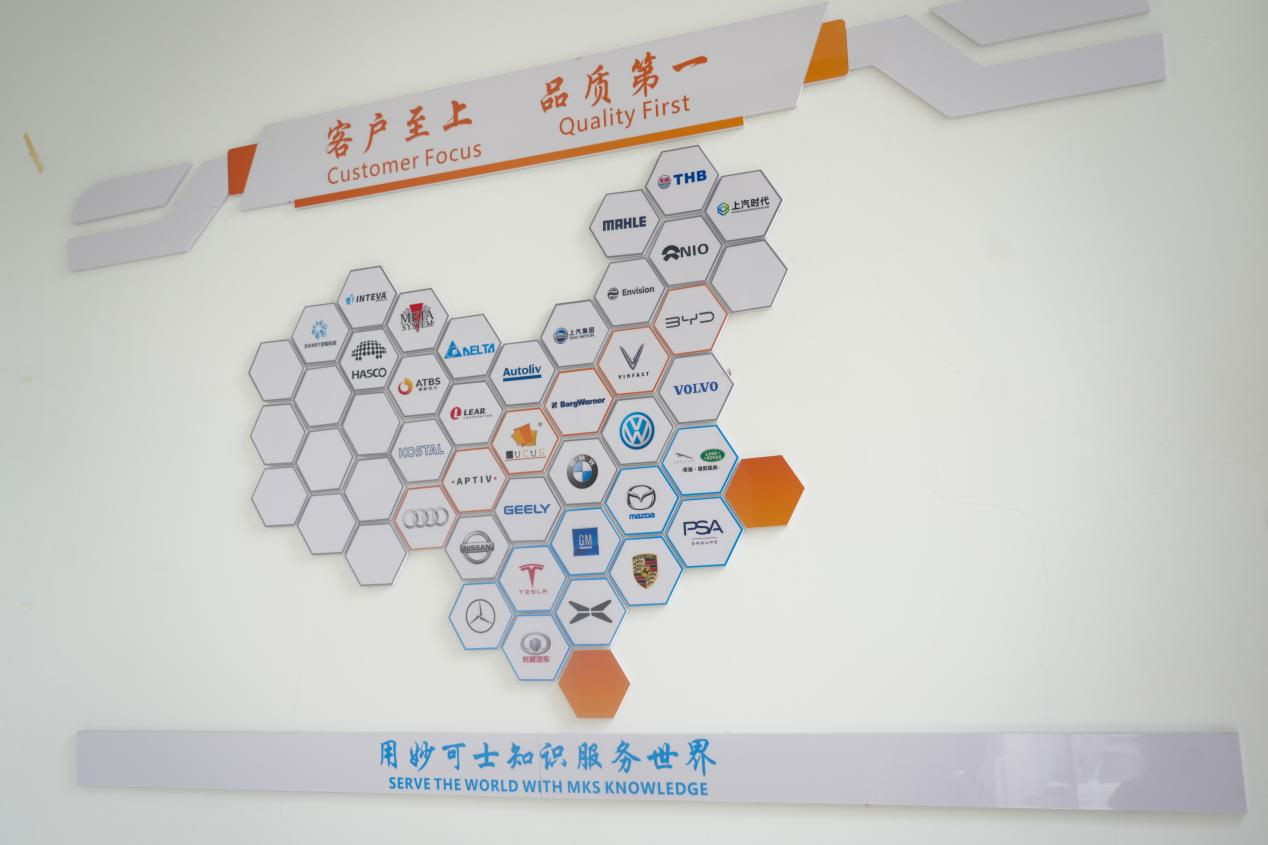
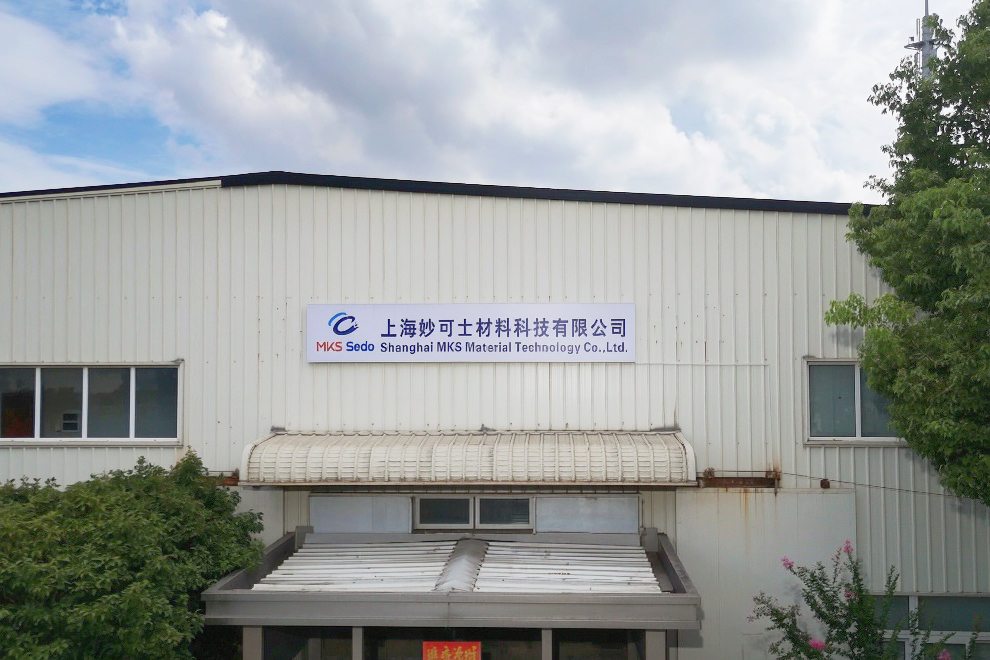
Since 2014, Shanghai MKS Material Technology Co., Ltd. (MKS) has supplied thermal management products for more than 10 million electric vehicles, according to the company’s data. These applications include vehicles from Audi, BMW, BYD, Mercedes-Benz, Volkswagen, NIO, Zeekr, and other automotive brands.
This production volume spans multiple technology generations—from 400V to 800V platforms and from standalone BMS architectures to highly integrated BMS solutions—providing long-term production validation across different stages of automotive technology development.
BDU and BMS Thermal Management Are Moving Toward Integrated Material Selection
Another trend worth watching is the increasing integration of thermal management strategies for the BDU (Battery Disconnect Unit) and BMS.
The reason is straightforward: as battery-pack architectures become more integrated, BDU and BMS are increasingly housed within the same enclosure and share both thermal paths and structural space.
Power components within the BDU—including relays, fuses, and shunts—generate heat that can directly affect the thermal environment of the BMS control board.
If the BDU thermal pad and BMS thermal gel are sourced from different suppliers, potential risks may arise from differences in interfacial thermal resistance, coefficients of thermal expansion, and long-term aging behavior.
This raises a new question for procurement teams:
Should BDU thermal pads and BMS thermal gels be sourced separately, or should both materials come from a supplier capable of providing an integrated solution supported by joint validation?
From an engineering perspective, the latter approach can offer several advantages.
A single supplier can potentially co-design the BDU thermal pad and BMS thermal gel formulation systems. For example, using compatible silicone-base systems can help ensure greater consistency in volatile species generated during long-term aging and reduce the risk of one material affecting the performance of the other.
Joint validation can also evaluate the thermal coupling behavior of both materials within the same enclosure—something that cannot be fully captured through separate material-level validation.
MKS offers a portfolio covering thermal interface pads (1–10 W/m·K), thermal gels (1.8–8 W/m·K, one- and two-component systems), thermally conductive potting compounds (1.5–4 W/m·K), and thermally conductive structural adhesives, providing an integrated material portfolio for both BDU and BMS applications.
The company’s one- and two-component thermal gel series, newly developed in 2024, have been specifically optimized for high-voltage platform applications, with a focus on low volatility and high-temperature performance.
Another Variable to Watch in 2026: ESG Compliance Is Entering Supplier Qualification
If IATF 16949 and TISAX have been key qualification requirements for BMS thermal gel suppliers over the past several years, ESG performance is emerging as an additional consideration for the coming years.
The EU Battery Regulation introduces requirements related to carbon footprint, recycled material content, and supply-chain due diligence across the battery lifecycle. To meet these regulatory obligations, automotive manufacturers are increasingly extending compliance requirements further upstream to their material suppliers.
In 2026, some European automotive companies have begun requesting EcoVadis ratings or equivalent ESG assessments as part of supplier qualification.
MKS received its first EcoVadis Bronze Medal rating in June 2026, ranking among the top 35% of participating companies worldwide, according to the company’s information.
The significance of this assessment lies not simply in the Bronze Medal itself, but in the indication that the supplier has established an ESG management framework that can be evaluated through an internationally recognized assessment system.
For BMS projects targeting the European market, such credentials can help streamline supply-chain compliance assessments.
Key Questions to Ask When Selecting a Thermal Gel for High-Voltage BMS Applications
For companies evaluating thermal gel suppliers for BMS applications on 800V or higher platforms, the following questions should be addressed during technical discussions:
Question 1: What are the retention rates of volume resistivity and dielectric breakdown strength after high-temperature/high-humidity aging?
Do not look only at initial values. Ask for data after 1,000 hours at 85°C/85% RH.
Question 2: What are the measured levels of low-molecular-weight siloxanes (D3–D10)?
This data is directly relevant to the long-term reliability of BMS relays and connectors, yet not every supplier can provide comprehensive test data.
Question 3: Under CTC/CTB architectures, are the gel’s curing conditions compatible with the process window of the battery-pack production line?
Answering this question requires practical experience with integrated battery-pack projects—not simply a set of material-property data.
Question 4: Does the supplier have joint validation data for BDU thermal pads and BMS thermal gels?
If such data is available, it can significantly reduce validation time and integration risks associated with highly integrated battery-pack designs.
Question 5: Can the supplier provide ESG ratings and carbon-footprint data?
For projects targeting the European market, this consideration may increasingly shift from a value-added qualification to a basic supplier requirement.
Conclusion
Selecting a BMS thermal gel supplier is no longer simply a matter of comparing material properties.
It is becoming a system-level supplier evaluation covering automotive-grade validation capabilities, multi-generation production experience, integrated material supply, and ESG compliance.
The transition to high-voltage platforms and increasingly integrated battery architectures is accelerating this shift in 2026.
For procurement and R&D teams, updating the supplier evaluation framework early can help reduce the risk of being forced to change materials after a project has already entered mass production.
全国服务咨询热线
021-59567812-0
最新动态
-
How to Choose an Automotive-Grade Thermal Pad Supplier
2026-10-26 18:06:11 -
How to Choose a Thermal Management Material Supplier for Intelligent Power Semiconductors: MKS Selection Logic from IGBT Modules to SiC Power Electronics
2026-09-23 14:58:12 -
Key Criteria for Choosing a Reliable BMS GapFilller Supplier — New Automotive‑Grade Thermal Management Thresholds and Trends in 2026
2026-09-23 14:46:19 -
Selecting Thermal Management Materials for BDU: 6 Key Questions Behind Automotive-Grade Supplier Selection
2026-09-21 15:59:13 -
How to Evaluate Thermal Phase-Change Material Suppliers: An In-Depth Look at Automotive Certification and Supply Chain Capabilities
2026-09-21 15:13:18